Not just a calendar of events, but a truly sensory journey is what has been traveling across India throughout the month of November, bringing with it the aromas and flavors of Italian cuisine.
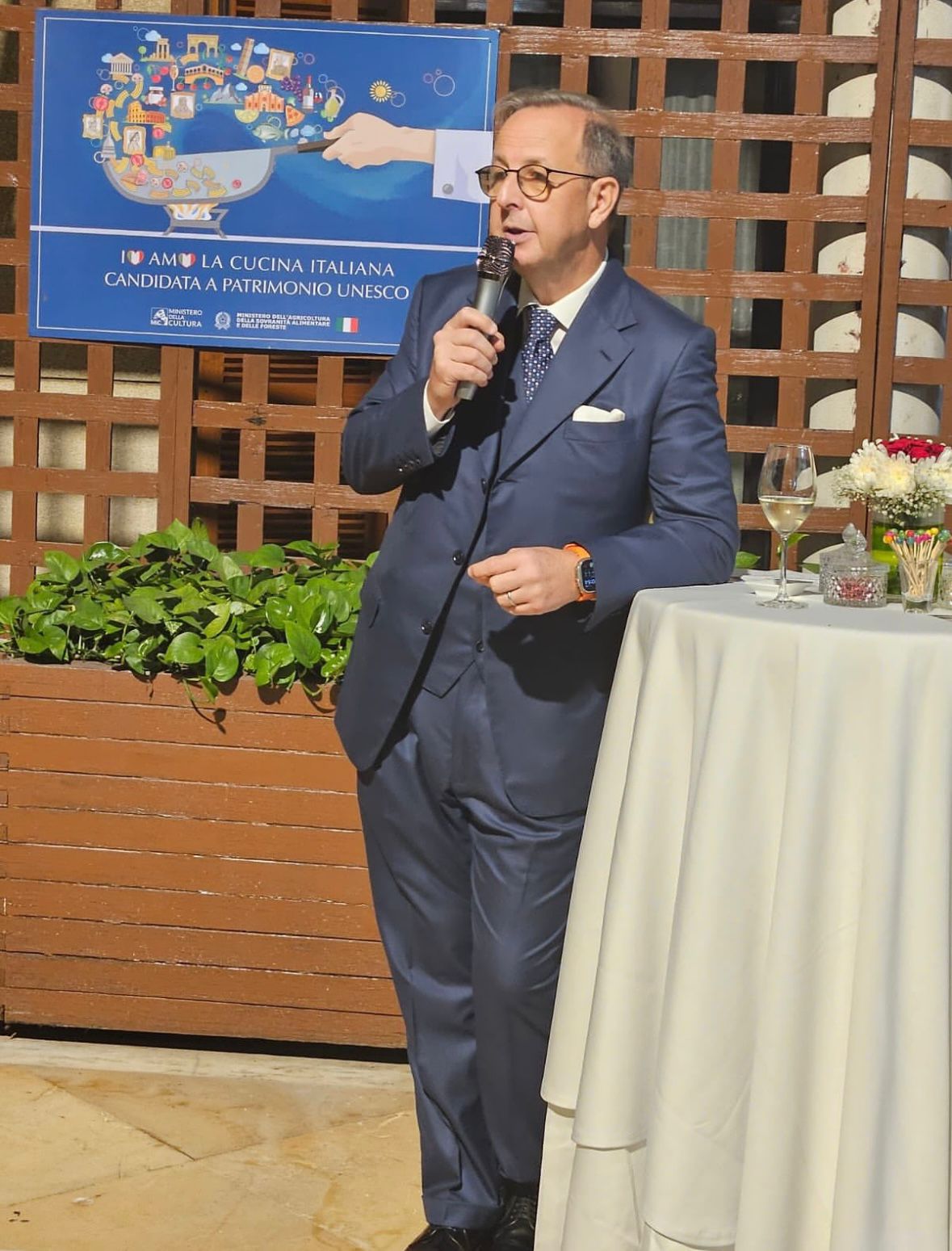
From New Delhi to Bangalore, passing through Mumbai and Kolkata, the Week of Italian Cuisine in India— an annual initiative promoted worldwide by the Italian Ministry of Foreign Affairs— offered a rich and multifaceted program, the result of synergy between the Embassy, the Consulates General, ICE, the Chamber of Commerce, and the Italian Cultural Institutes.
The “cover faces” of this edition were Michelin-starred Chefs Giancarlo Morelli and Italo Bassi, interpreters of an itinerary across the subcontinent that combined haute cuisine with training and education.
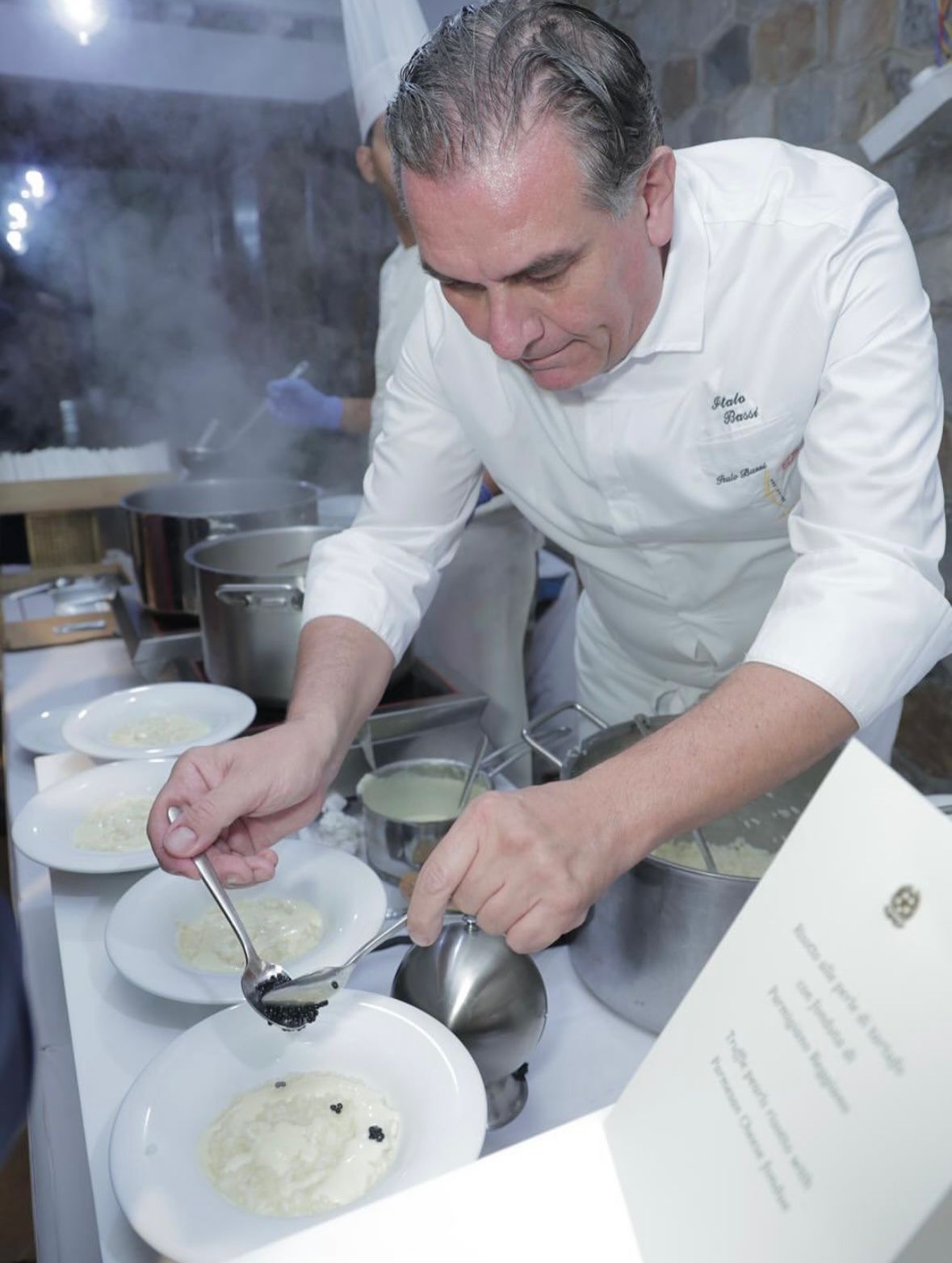
Bassi and Morelli showcased the Italian culinary and gastronomic tradition with absolute mastery—perfectly balancing authentic ingredients, attention to detail, and innovative recipes. All of this under the banner of one of the pillars of the Mediterranean diet: the use of genuine and wholesome products.
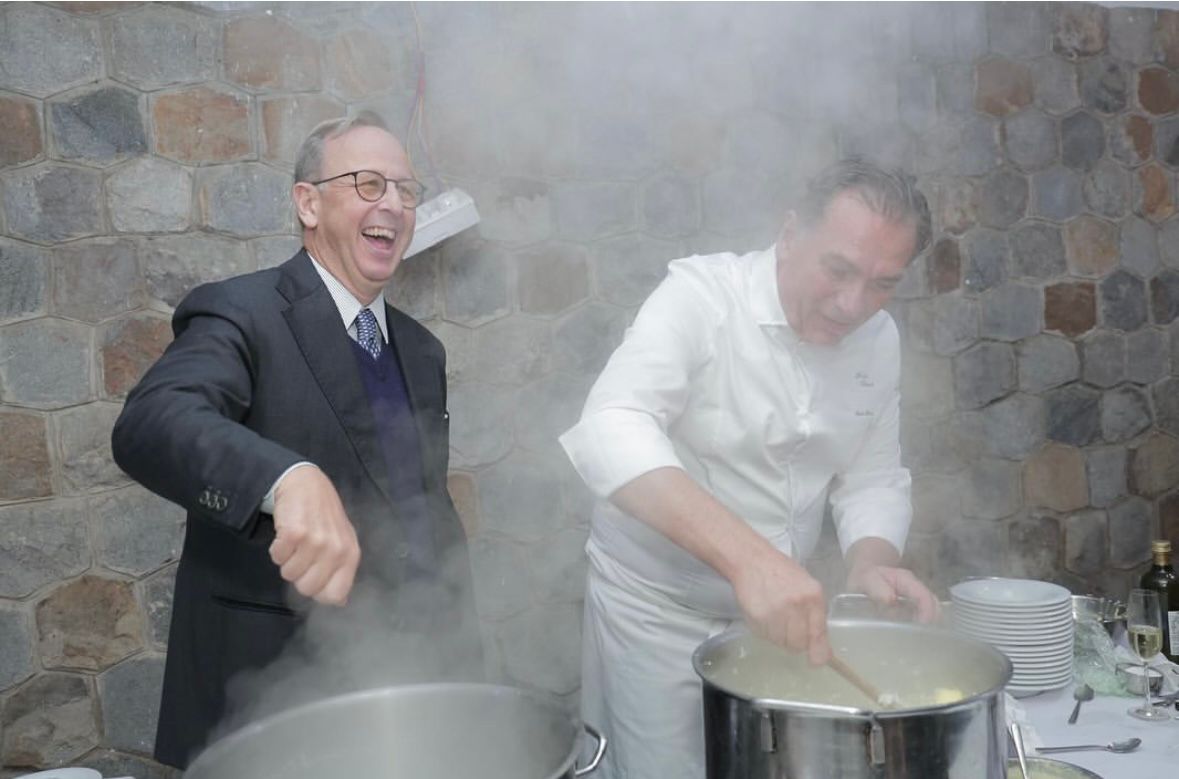
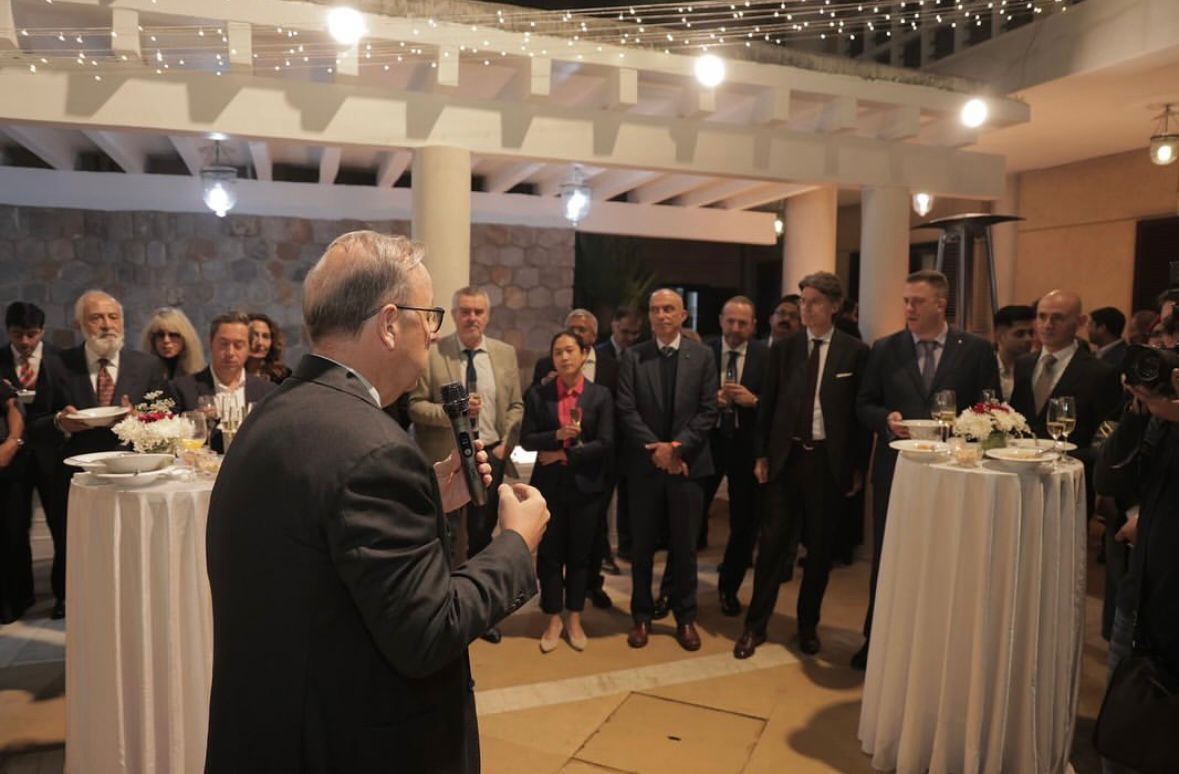
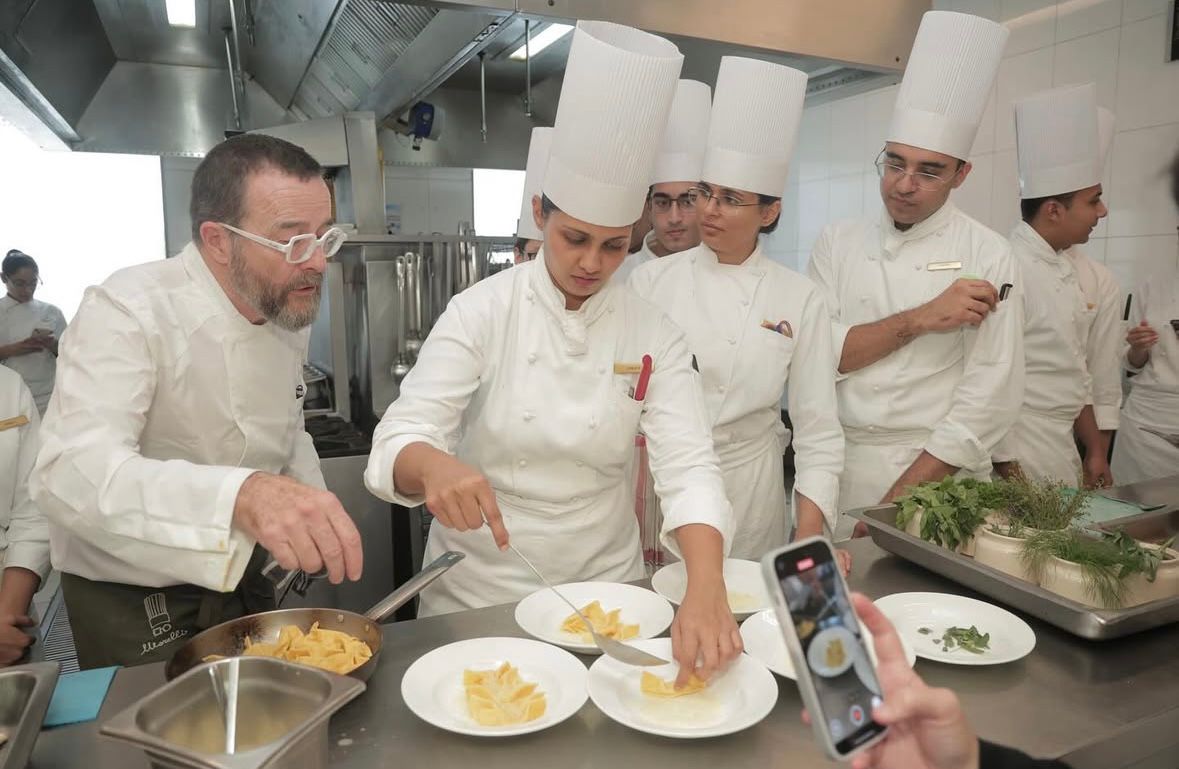
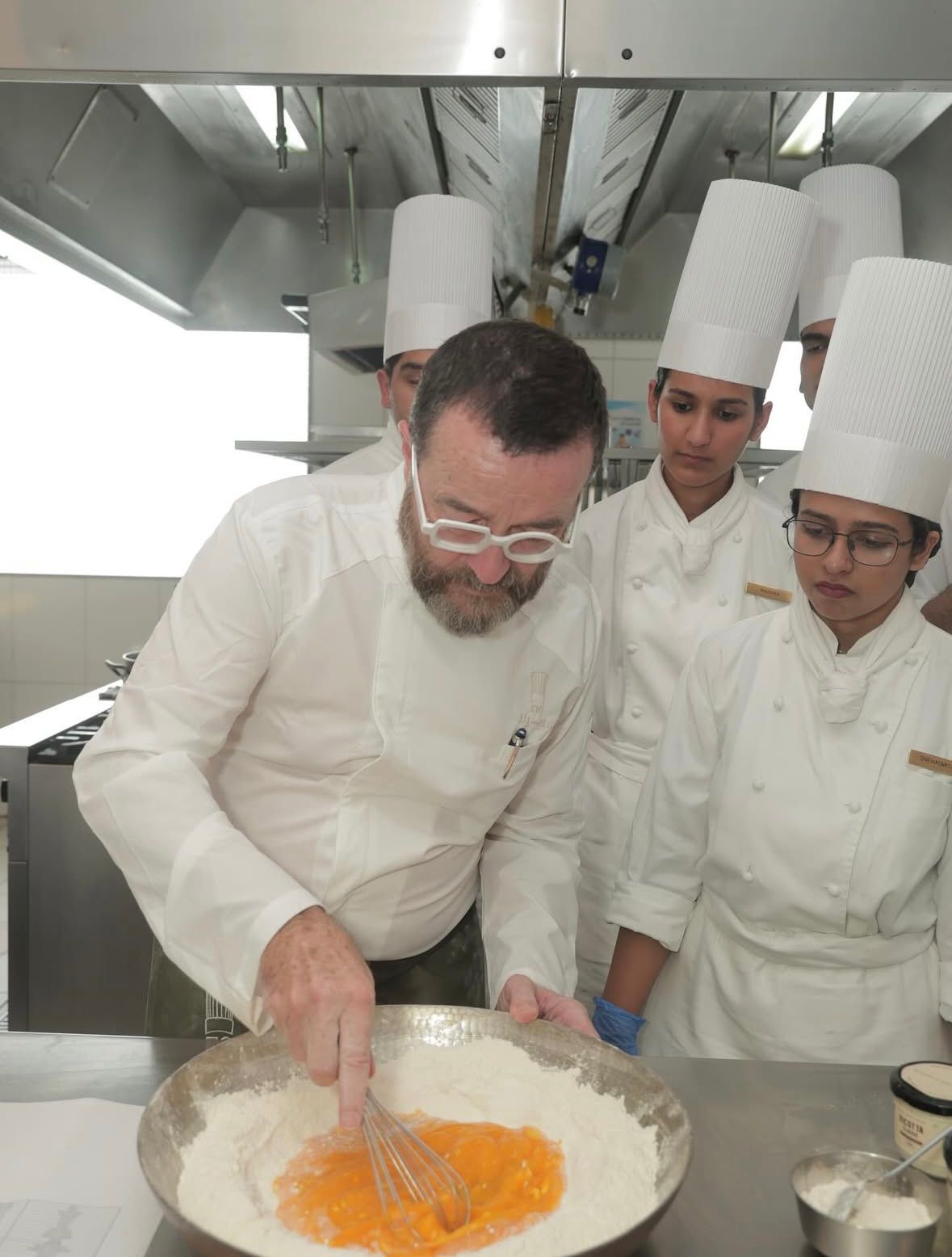
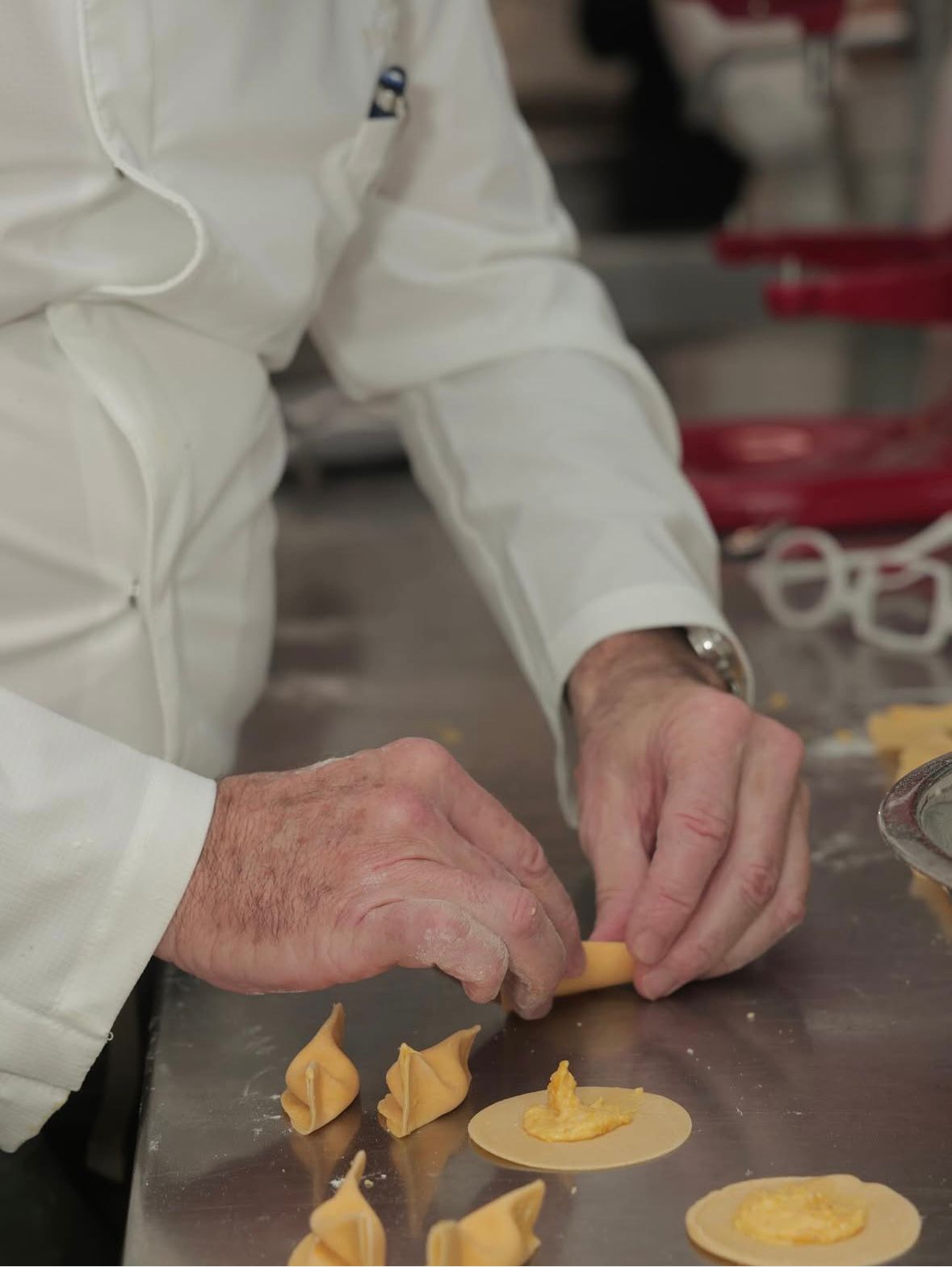
Chef Giancarlo Morelli brought his expertise to New Delhi and Mumbai. In the Indian capital, he hosted two signature dinners at the Residence of the Italian Ambassador, an exclusive evening at the prestigious Leela Hotel, and cooking lessons for the students of the Oberoi Institute. In Mumbai, he prepared a gala dinner at the Italian restaurant Vetro at the Oberoi Hotel, held a masterclass for students of a city hospitality school, and participated in the “Festa Italiana” celebrations organized by the Consulate General and the Indo-Italian Chamber of Commerce.
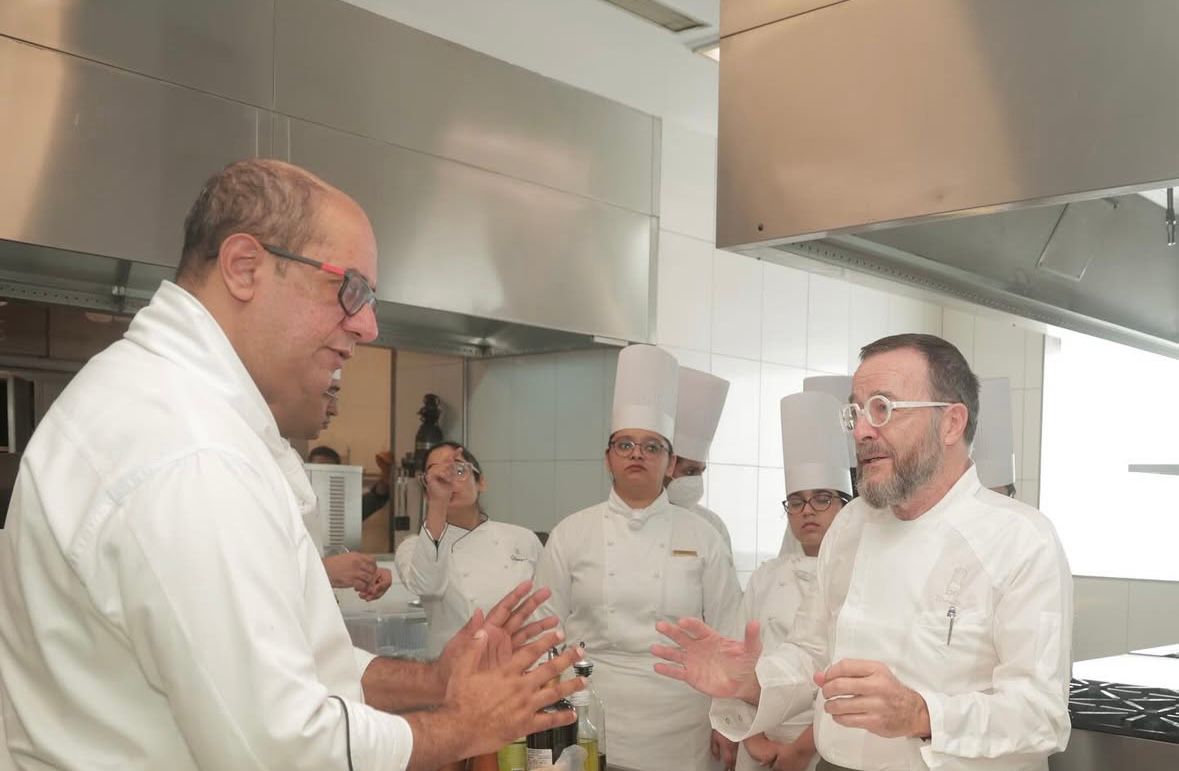
Conviviality and the richness of Italian gastronomy were also central to the work of Chef Italo Bassi. After two signature dinners and masterclasses at the IICA institute in Delhi, Bassi brought Italian cuisine further east and south—to Kolkata, the capital of West Bengal, and then to Bangalore, in Karnataka. The Michelin-star techniques showcased by both Chefs delighted guests and conveyed to young culinary students the discipline and secrets of excellent preparation.
The ongoing program of events in India also highlights Italian craftsmanship and expertise. The art of gelato, for example, was the focus of an intensive series of masterclasses curated by ICE in Delhi and Mumbai, involving students and professionals in discovering the perfect balance of raw materials. At the same time, the aroma of baked goods took center stage in workshops dedicated to the science of bread-making and baking technologies, delivered by experts from Organic Bakery and UNOX.
Food then becomes the thread connecting awareness of territory and nature with the stories of those who have inhabited it—and continue to live in it—amid the complexities of contemporary challenges. In New Delhi, the Italian Cultural Institute is offering a reflection on the richness of our Alpine valleys, presenting an interplay of art, environmental conservation, sustainable agriculture, and responsible tourism. It highlights the experiences of Arte Sella in Valsugana and Achi in Ladakh, in conversation with Matteo Delvai, who grew up within the “Cook the Mountain” movement created by Chef Norbert Niederkofler.
Dialogue and cinema come together with the documentary “Cucina ad alta quota” (RAI Cinema), which explores mountain cuisine and the refined research of Michelin-starred Alpine chefs. Delvai’s dinner will mark the culmination of this dialogue and the beginning of a week in which the restaurant at the Institute will dedicate its entire menu to Alpine culinary culture.
In Bangalore, by contrast, the focus shifts to the future, with panels dedicated to health and innovation, also involving major retail players.
Italian cuisine thus becomes a powerful vehicle for promoting Italy and its traditions—stepping outside institutional spaces to meet the wider public. A true network of taste has engaged numerous Italian restaurants, which joined the Week of Italian Cuisine initiative by offering special menus throughout the month.